The Global Journey of a Water Bottle: Unveiling the Technology Behind and Its Billion-Dollar Business Opportunities
Morning sunlight streams through the classroom windows at seven a.m. A girl in the front row pulls a light pink water bottle from her canvas bag. Its clean lines resemble a piece of art. Scenes like this unfold worldwide—today's youth are defining their lifestyle aesthetics through how they hydrate.
The global water bottle market is experiencing explosive growth. Statistics show that in 2024, the global water bottle market reached $23 billion, with projections exceeding $32 billion by 2030, representing a compound annual growth rate (CAGR) of over 5.1%.
In this global water bottle boom, Chinese manufacturing plays an increasingly vital role. From titanium cups produced in Shandong appearing in Parisian cafes to custom gold-plated mugs from Shantou factories becoming corporate gifts in Dubai, China's water bottle globalization journey has shifted from cost advantage to value creation.
01 Blue Ocean Market: A Global Business Worth Hundreds of Billions
Water bottles have evolved from simple daily necessities into carriers of technology and culture. According to Alibaba International Station data, during the March 2025 New Trade Festival, water cup orders from Europe surged by 45%, with France leading at 125% growth, followed by Spain (54%), and Italy (60%).
Latin American and Middle Eastern markets also showed impressive growth: Argentina's demand skyrocketed 101%, Chile grew 70%, and Saudi Arabia increased 40%. Behind these numbers lies a global consumer pursuit of both functionality and aesthetics in water bottles.
Different markets exhibit distinct characteristics: Europe prioritizes functional innovation; the Middle East favors cultural customization; Latin America balances cost-effectiveness with scenario-based usage.
02 Material Science: How to Choose the Safest Water Bottle?
Glass cups are the healthiest and safest option for drinking water, as they do not leach harmful substances during use. Borosilicate glass stands out for its exceptional temperature resistance, withstanding drastic changes from -20°C to 150°C without cracking like ordinary glass.
Ceramic cups offer rich colors and diverse styles. However, opt for plain, white-glazed interior ceramic cups first, followed by underglaze colored ones. Avoid overglaze painted ceramic cups, as they may leach heavy metals like lead.
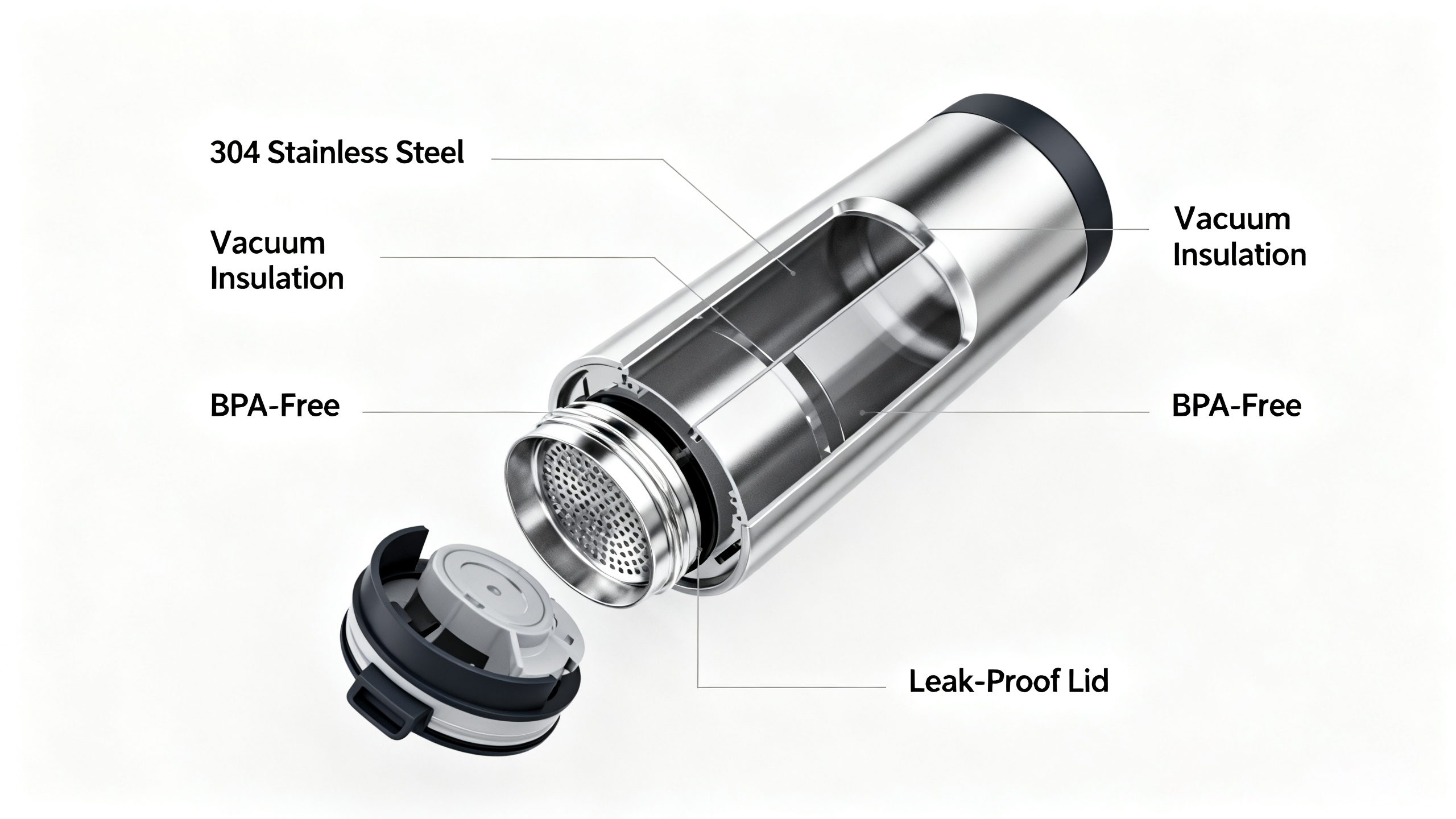
Stainless steel cups resist corrosion, wear, and are shatterproof. When purchasing, choose cups made from food-grade stainless steel (304 stainless steel) or higher-grade medical stainless steel (316 stainless steel).
Plastic cups are lightweight and impact-resistant, ideal for travel. Select plastic cups made from PP material (symbol 05), which is heat-resistant,耐磨, and shatterproof—the only plastic type microwave-safe. Tritan material, free from BPA, doesn't leach harmful substances even with hot water, making it an excellent choice for plastic bottles.
03 Smart Innovation: How Water Bottles Become Tech Carriers
Smart temperature-control cups, offering precise app-based temperature management, remain in high demand even with price tags exceeding $100. These innovative products have become new favorites among overseas buyers, with stable demand in European and American markets and even more astonishing growth in emerging markets.
Smart insulated cups integrated with biosensors are entering the market, capable of preliminary blood glucose level detection through saliva analysis. Priced at $200 per unit, they attract health-conscious consumers.
Voice-activated reminder thermos cups from Shenzhen manufacturers, which use AI algorithms to learn user hydration habits and provide reminders, have successfully penetrated the Japanese health management market, exporting at five times the price of traditional products.
04 Cultural Customization: How Water Bottles Carry Global Cultures
In the Middle Eastern market, cultural customization commands high premiums. UAE clients eagerly customise gold-plated mosque-patterned cups, with markups reaching a staggering 300%; Saudi procurers prefer gold-plated浮雕 craftsmanship, requiring 5,000 custom pieces delivered within 15 days.
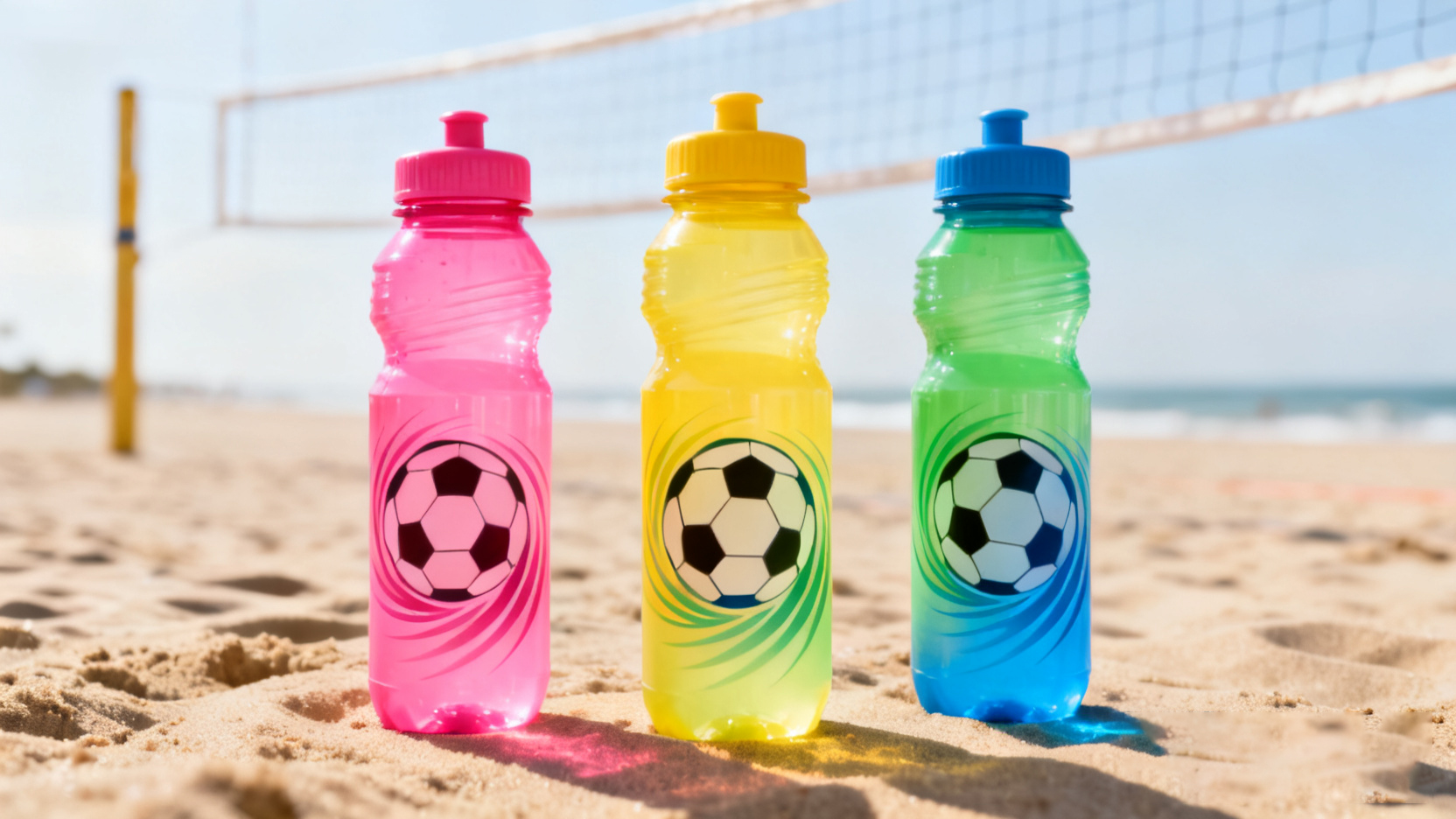
In Latin America, cost-effectiveness and scenario-based usage are prioritized. Brazilian retailers favor mixed orders starting from 200 pieces, while Chilean schools prefer 1L large-capacity sports bottles, with fluorescent colors and football designs being most popular.
Eco-friendly biodegradable corn fiber cups grew 95%, becoming new favorites in EU supermarkets. Lids made from ocean-recycled plastic combined with food-grade stainless steel bodies, certified by the EU Blue Angel, saw a 210% quarter-on-quarter export increase to Nordic markets.
05 Design Evolution: From Utility to Aesthetics
Modern water bottle design thoroughly considers user needs. The double-wall insulated structure allows holding the cup comfortably even with boiling water inside.
The rim is finely polished for a comfortable drinking experience without lip abrasion. The leak-proof lid ensures no spills in bags, perfect for commuters.
The lid features a 360-degree silicone seal ring. When tightened, it provides excellent sealing, combined with a safety lock design, eliminating spill worries. To drink, simply slide the safety latch and press the button—the lid pops open 180 degrees for convenient one-handed operation.
06 Global Trade: Successful Paths for Water Bottle Export
Alibaba International Station, as the world's largest B2B foreign trade platform, leverages three core capabilities—dedicated account manager support, AI-powered matching, and localized fulfillment—enabling even factories with zero export experience to efficiently connect with professional buyers from 200 countries.
Addressing key pain points in custom orders, the platform offers production guarantees: credit enhancement builds trust, with staged payments for orders over 10,000 pieces. Global logistics: Shenzhen warehouses handle 98% of orders, with dedicated US routes achieving 7-day delivery and Middle Eastern routes reaching within 72 hours.
Flexible settlement: Supports 30% deposit + 70% payment upon shipment, with优质 clients eligible for 60-day payment terms. These measures significantly lower the barriers and risks of exporting water bottles.
Dubai luxury department stores procure 24K gold-plated insulated cups with jewelry-grade packaging, retailing at $380 each. Zhejiang enterprises developed "ceramic inner wall nano-coating" technology, which, after obtaining US FDA certification, saw a 180% export surge to the maternal and infant market.
This transformation from functional container to lifestyle value symbol means water bottles are no longer mere hydration tools. They are guardians of healthy living, carriers of technological innovation, and mediums for global cultural exchange.
 5 Must-Know Features When Choo
 The Global Journey of a Water
 100 Copper Mugs: Stylish Pure
 Top 10 Ounce Coffee Cups: Size