
The Vessel of Civilization: A Cultural and Historical Journey of Coffee and Tea Cups Subtitle: From Neolithic Clay to Global Brand Icons: How Humble Cups Shaped Rituals, Economies, and Social Bonds Ac
Introduction: More Than a Container
What we drink from often tells a more profound story than what we drink. A cup is not merely a functional object to hold liquid; it is a cultural artifact, a technological milestone, a status symbol, and a silent witness to human connection. From the earliest hand-formed clay bowls of Neolithic villagers to the algorithmically designed, ergonomic travel tumbler of today, the evolution of the cup mirrors the evolution of society itself. This article embarks on a journey through time and across continents, tracing the intertwined histories of tea and coffee cups. We will explore how the Chinese tea ceremony refined porcelain into high art, how the European coffeehouse craze spawned new social vessels, and how, in our modern era, a brand like Starbucks has transformed the disposable cup into a collectible canvas of global pop culture. Prepare to see the familiar cup on your desk in an entirely new light.
Part 1: The Cradle of Culture: Tea and the Artistic Ascension of the Cup in China
The story of the dedicated drinking vessel is deeply rooted in East Asian tea culture. Long before coffee beans were roasted, the brewing and consumption of tea in China elevated the cup from a mere utensil to an object of spiritual and artistic significance.
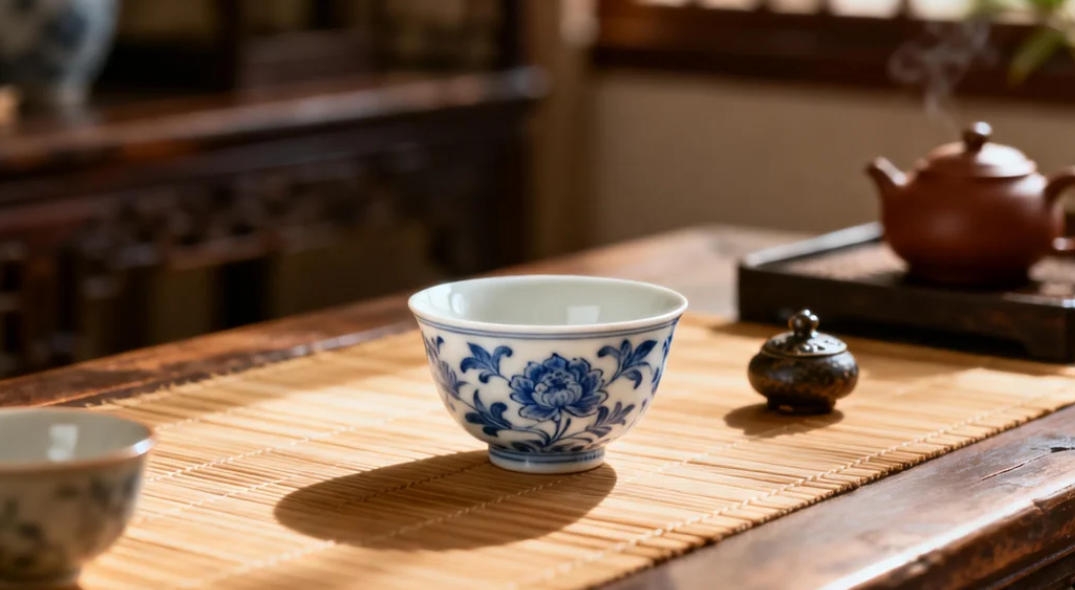
Early Beginnings and Functional Refinement: Archaeological evidence suggests the use of specialized tea utensils dates back to the Han Dynasty (206 BCE – 220 CE). However, it was during the Tang (618-907) and Song (960-1279) Dynasties that tea culture truly flourished. The famous Classic of Tea by Lu Yu in the Tang period codified not just tea preparation but also the appreciation of the ware. Cups from this era, often made of celadon or early white porcelain, were designed for practicality—shapes that facilitated the whisking of powdered tea and allowed for the appreciation of the drink's color.
The Porcelain Revolution and Global Influence: The Ming (1368-1644) and Qing (1644-1912) Dynasties represented the golden age of Chinese porcelain. The development of exquisite blue-and-white ware under the Ming, and the dazzling famille-rose enamels under the Qing, turned teacups into coveted luxury items. These were not just for domestic use; they became China's most famous global export, shipped in massive quantities to Europe and the Middle East along the Silk Road and by sea. The European aristocracy's craze for Chinese porcelain directly fueled the quest to discover its secrets, leading to the establishment of manufactories like Meissen in Germany. The Chinese teacup, therefore, was a direct catalyst for global trade and technological exchange.
The Philosophy in the Form: In traditions like the Japanese chanoyu (tea ceremony), which was profoundly influenced by Chinese Zen Buddhism, every element of the cup is imbued with meaning. The choice of a rough, asymmetrical raku ware bowl for a rustic gathering (wabi-cha) versus a perfectly refined Hagi ware cup speaks volumes about the season, the occasion, and the host's philosophical intent. The cup becomes a focus for meditation, its imperfections cherished as expressions of natural beauty and transience (wabi-sabi).
Part 2: The Social Catalyst: Coffee, Coffeehouses, and the Democratization of the Cup
While tea cups in Asia were often associated with ritual, meditation, and elite artistry, the arrival of coffee in the Near East and Europe created a new kind of social space that demanded a new kind of vessel.
From the Islamic World to European Cafés: Coffee drinking likely originated in Ethiopia and Yemen, spreading throughout the Ottoman Empire. In cities like Istanbul, coffee was served in small, handle-less cups called fincan, often accompanied by a glass of water. This tradition crossed into Europe in the 17th century. The first coffeehouses in London, Paris, and Vienna were hubs of intellectual debate, political discourse, and business—the "penny universities." The cups used in these establishments were typically made of sturdy earthenware or stoneware: durable, stackable, and designed for public use. Their design was democratic and functional, a stark contrast to the delicate porcelain used in private aristocratic tea gatherings.
The Handle's Innovation: A key design evolution driven by coffee was the addition of the handle. While debated, it's widely believed that the handle became popular in Europe to allow drinkers to comfortably hold cups filled with hot liquid (tea, coffee, or hot chocolate) without burning their fingers. This simple innovation became a standard feature of Western drinking vessels.
National Styles and Breakfast Rituals: Different cultures developed distinct cup styles. The British elevated the "breakfast cup"—a wide, sturdy, handle-friendly mug for dipping toast—into a national icon. The Italian espresso demanded a new form: the tiny, thick-walled tazzina, designed to concentrate heat and aroma for a quick, potent shot. Each design reflected a deeply ingrained local drinking tempo and social habit.

Part 3: The Modern Metamorphosis: From Utility to Brand and Identity
The 20th and 21st centuries have seen the cup undergo another dramatic transformation, shifting from a reflector of national culture to a vehicle for corporate branding and personal identity.
The Standardization of the "To-Go" Cup: The invention of the disposable paper cup by Lawrence Luellen in 1907, and its later pairing with the polyethylene-lined "Solo" travel lid, revolutionized consumption. It enabled the fast-paced, mobile lifestyle of the modern city. This utilitarian object became the blank slate for the next major shift.
The Branded Canvas: Starbucks and the Collectible Cup: No entity has leveraged the cup as a marketing tool more effectively than Starbucks. Their seasonal "You Are Here" and "Been There" series mugs turn the cup into a travel souvenir and a token of global citizenship. Their annual holiday red cup release has become a media event and a symbol of the season. Starbucks transformed the disposable cup from trash into a coveted collectible, embedding its brand into daily rituals and gift-giving culture. Other brands, from luxury fashion houses to museums, now use limited-edition cups as premium merchandise, cementing the cup's status as a lifestyle accessory.
The Personal Statement: Mugs in the Digital Age: In the age of social media and remote work, the personal mug has become a key piece of "desktop identity." A mug printed with a witty quote, a fandom reference, or a custom photo acts as a personal billboard, signaling one's humor, interests, and affiliations to colleagues on video calls or guests in one's home. The "world's best dad" mug or the university alumni mug are classic examples of cups serving as badges of personal role and community belonging.
Part 4: A Collector's Guide: Navigating the World of Historical and Modern Cups
For those inspired to start a collection, the field is rich and varied.
Antique & Historical Focus: Collecting can center on a specific era (e.g., Ming blue-and-white), a region (e.g., Japanese Kutani ware), or a typology (e.g., 18th-century chocolate cups). Authenticity, condition (avoiding cracks or chips, known as "hairlines"), and provenance are key. Research is essential, and starting with reputable dealers or auction houses is advised.
Modern & Brand-Centric Collecting: For brands like Starbucks, collectors focus on series completion, rarity (e.g., city mugs from discontinued locations), and condition (with original packaging adding value). Online communities and marketplaces are vital for tracking down specific pieces and understanding market values.
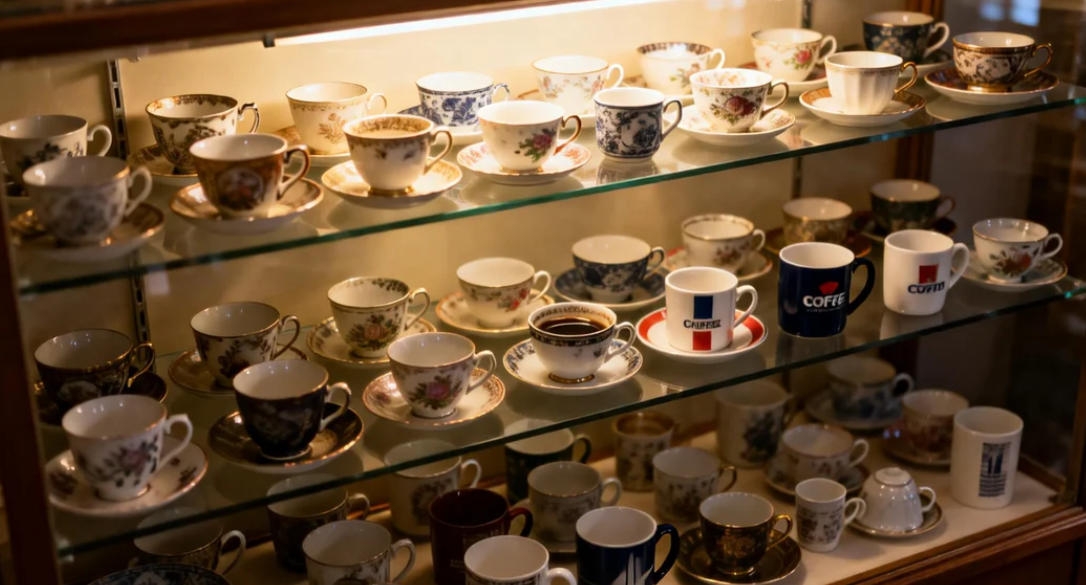
The Joy of the Hunt: Whether searching a flea market for a unique Art Deco cup or bidding online for a rare Starbucks "2000 New York" mug, the thrill of discovery is a major part of the hobby. Displaying a collection creatively—on dedicated shelves, in glass-fronted cabinets, or even as a functional rotation in the kitchen—turns a personal passion into a daily source of aesthetic pleasure.
Conclusion: The Enduring Vessel
From the Zen monk's quiet contemplation over a tea bowl to the hurried commuter's grip on a branded paper cup, the vessel in our hand connects us to deep histories and immediate realities. It has been a driver of global trade, a cornerstone of social revolution, a canvas for supreme artistry, and a mirror for personal identity. Its evolution from simple clay to smart, insulated composite materials is a testament to human ingenuity. Yet, its core function—to hold, to share, to connect—remains beautifully, fundamentally unchanged. The next time you take a sip, take a moment to consider the cup. You are not just drinking; you are participating in a millennia-old ritual of civilization, one that is continually being rewritten with every new design, every shared moment, and every conscious refill.
What does your favorite cup say about you? Share a photo of your most meaningful mug and its story with us using the hashtag #MyCupStory.
 Cup Wholesale Success: Maximiz
 Stay Hydrated with a 32 Ounce
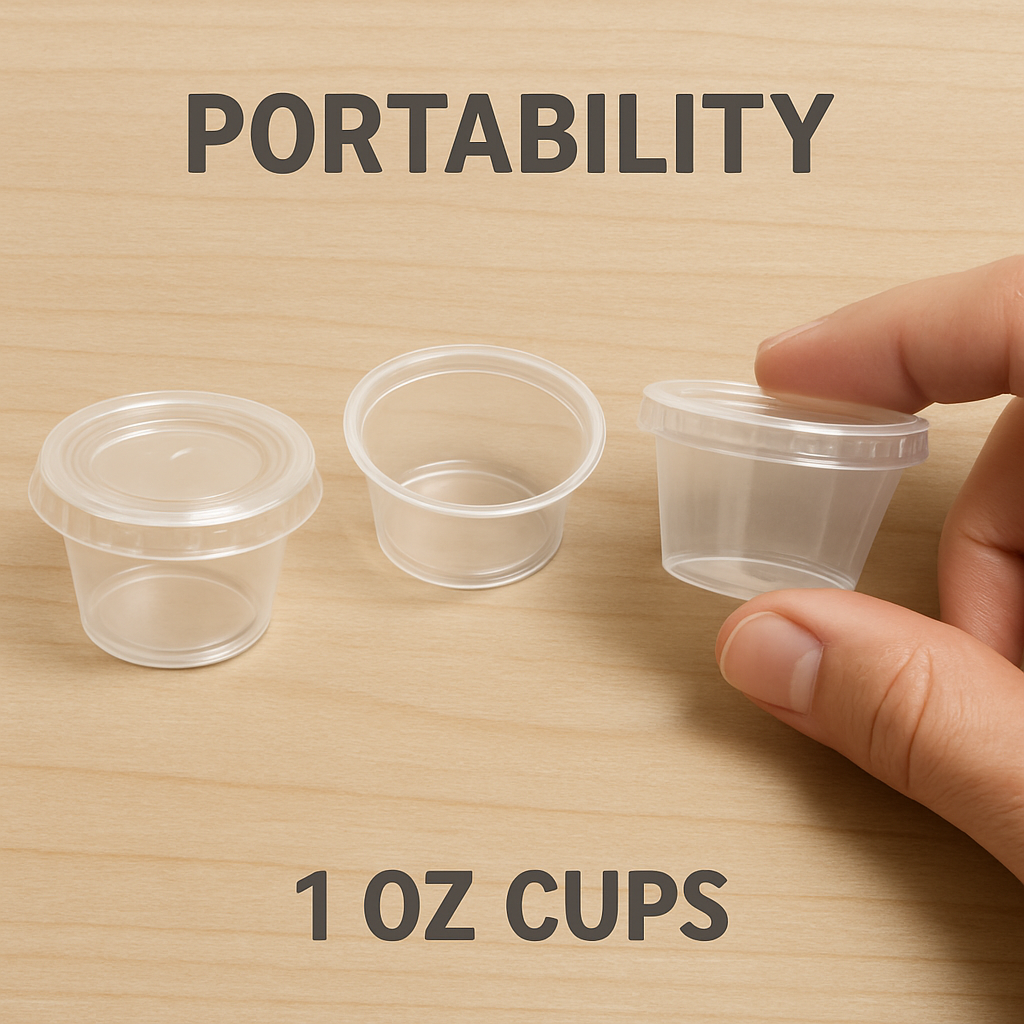 1 oz Cups and Lids: Versatile,
 Hydration 2.0: How Smart Water