
Cup to Ounces Conversion Guide: Accurate Kitchen Measurements
# Understanding
When it comes to cooking or brewing your favorite beverages, precise measurements are crucial. Whether you're measuring ingredients for a recipe or trying to make the perfect cup of coffee, understanding how to convert cups to ounces (and vice versa) can save you time and ensure accuracy.
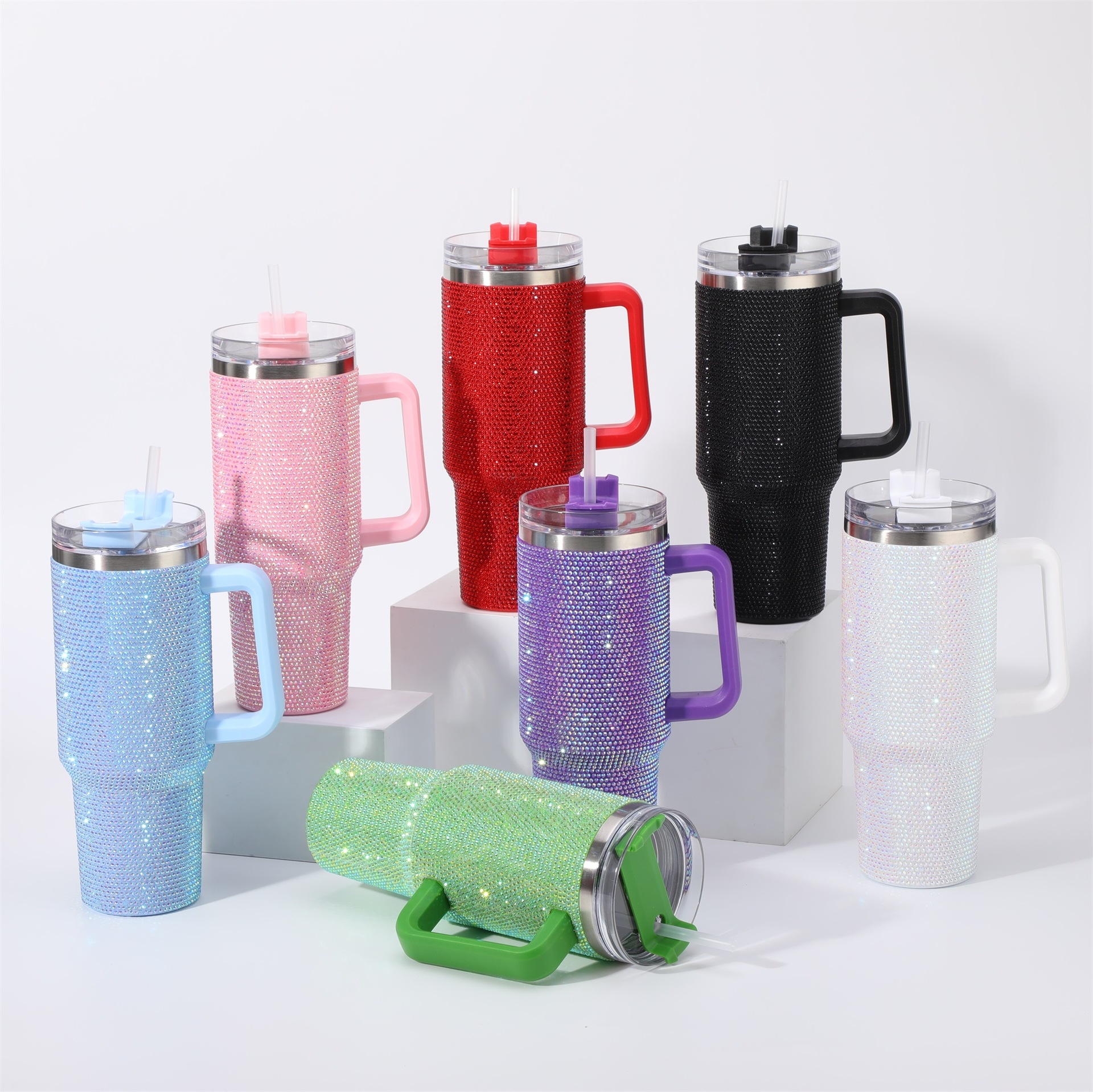
To start, it's essential to know that a cup is a unit of volume commonly used in cooking to measure liquids and solids. In the United States, one standard cup is equivalent to 8 fluid ounces. This conversion is a handy reference for anyone in the kitchen.
Why the Conversion Matters
Knowing the conversion from cups to ounces is vital because different recipes might use different units of measurement. For example, a recipe might call for 1 cup of milk, while another might require 8 ounces. Being able to convert between these units ensures that you use the correct amount of ingredients every time.
Common Conversions: Cups to Ounces
Here's a quick guide to some common cup-to-ounce conversions:
- 1 cup = 8 ounces
- 1/2 cup = 4 ounces
- 1/4 cup = 2 ounces
- 3/4 cup = 6 ounces
- 1/3 cup = approximately 2.67 ounces
- 2/3 cup = approximately 5.33 ounces
Larger Measurements
When dealing with larger quantities, such as in bulk recipes or when using containers, it's useful to know these conversions as well:
- 2 cups = 16 ounces
- 4 cups = 32 ounces (equivalent to 1 quart)
- 8 cups = 64 ounces (equivalent to 1/2 gallon)
Coffee Measurements: How Many Ounces in a Cup of Coffee?
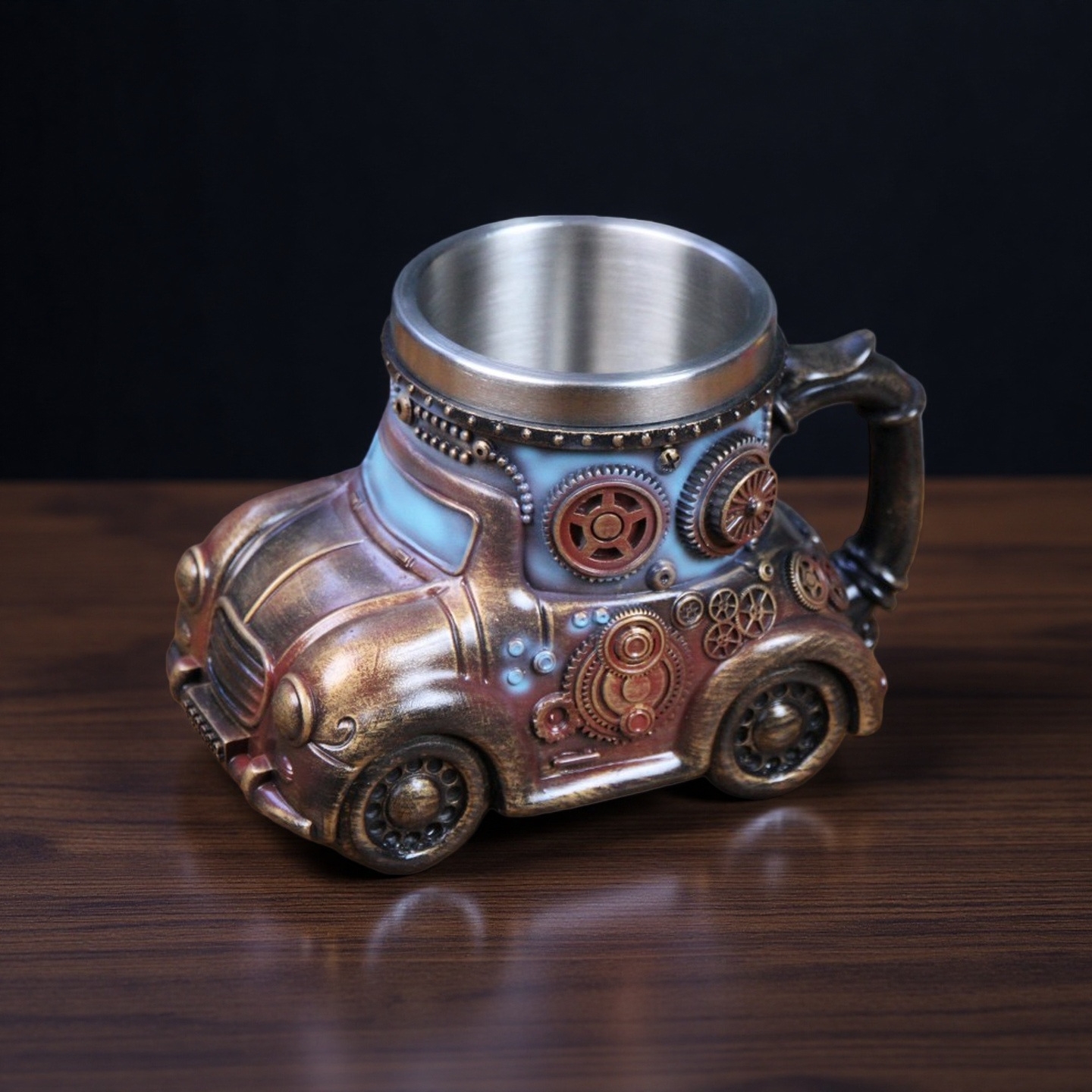
Coffee enthusiasts know that the perfect cup of coffee requires precise measurements. Typically, a "cup" of coffee as defined by coffee makers is 6 ounces, not the standard 8 ounces. However, when measuring coffee beans or grounds, you might want to use weight rather than volume for greater accuracy.
Coffee in Grams
For those who prefer using grams, especially common in coffee brewing, here's a quick conversion:
- 1 cup of coffee beans = approximately 82 grams
- 1 cup of ground coffee = approximately 90 grams
Understanding Gallon Containers and Their Use
When scaling recipes or handling larger quantities of liquids, understanding gallon measurements can be helpful. A gallon is a larger unit often used for liquids like milk or water. Here's how cups and ounces relate to gallons:
- 1 gallon = 128 ounces
- 1/2 gallon = 64 ounces
Containers and Their Capacities
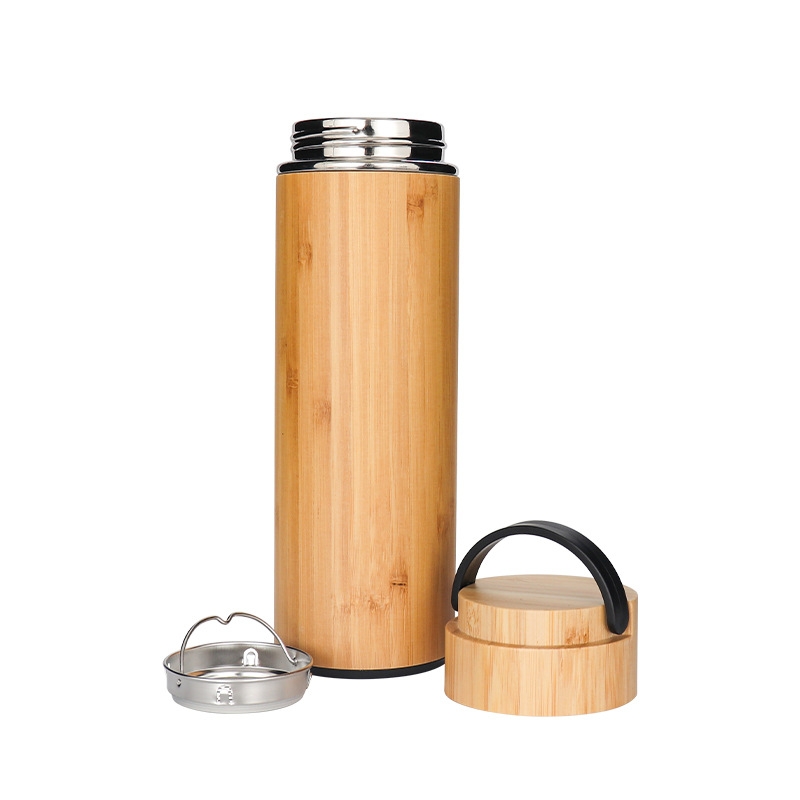
Containers often come in gallon or half-gallon sizes, especially for storage. A 1/2 gallon container can hold 64 ounces of liquid, making it ideal for storing beverages or soup. These containers typically come with lids to keep contents fresh.
Practical Tips for Accurate Measurements
Here are some practical tips to ensure your measurements are as accurate as possible:
- Use the Right Tools: For liquid ingredients, use a liquid measuring cup. For dry ingredients, use a set of measuring cups specifically designed for solids.
- Level Off Ingredients: When measuring dry ingredients, use a knife or a spatula to level off the top of the cup to ensure you have the exact amount.
- Check Calibration: Make sure your measuring tools are calibrated correctly. Over time, markings can fade or become less accurate.
- Consider Weight for Precision: For ingredients like coffee, using a kitchen scale to measure in grams can provide more precision than volume measures.
- Adjust for Altitude: If you're at a high altitude, be aware that you might need to adjust measurements slightly due to differences in atmospheric pressure.
Conclusion
Understanding the conversion between cups and ounces is a fundamental skill for anyone who spends time in the kitchen. Whether you're preparing a recipe, brewing coffee, or organizing your pantry with containers, accurate measurements are key to achieving the best results.
Next time you're cooking or making coffee, remember these conversions and tips to ensure your culinary creations are always a success. Happy measuring!
 Beyond Porcelain: 5 Reasons Ji
 Explore the Secrets Behind a S
 Discover the Mugs Best for Eve
 Solving Foreign Trade Transact